
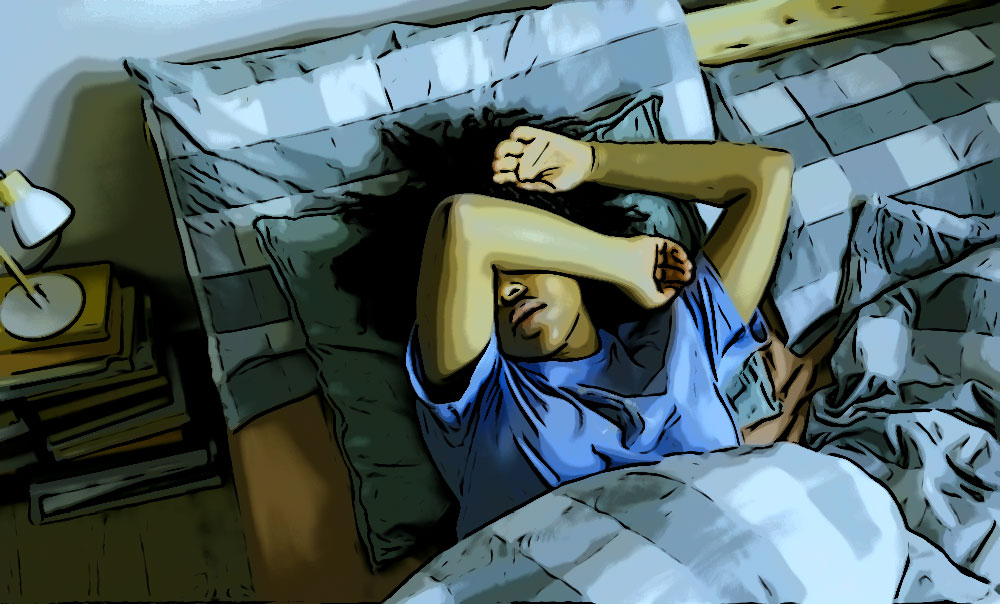
Are you having trouble sleeping through the night? While it’s not unusual to wake up occasionally from something like a crazy barking dog, not getting 7-8 hours of restorative sleep makes life feel a bit more challenging, doesn’t it? Sleep affects so many of our systems – memory, energy, mood, etc.
Sleeping can be quite complicated! There are far too many challenges to cover in this article. However, if you have been searching for answers, my goal is to point you in the right direction. There are many reasons I had never considered until I did a lot of research and worked with my amazing doctors.
Falling asleep and staying asleep are two different things. This article will cover issues with staying asleep. Here are my top things to investigate from personal experience:
Table of Contents
Medical Disclaimer
The information on this page is for general educational purposes only and is not a substitute for professional medical advice, diagnosis, or treatment. I am not a doctor or medical professional. Always consult your physician or qualified healthcare provider with any questions about your health or medical conditions.
Check Your Iron/Ferritin Levels
Iron is a critical mineral for your body. Without it, oxygen can’t be distributed throughout your body. Most don’t have an issue with it when they are young, but problems can develop over time, especially in women due to menstrual cycles or the onset of menopause. If you aren’t sleeping well, have your ferritin and iron levels checked by your doctor. Low levels can certainly cause sleep disruptions.
Here is an excellent article about iron and the key functions it plays in our bodies in addition to sleep.
Iron Deficiency (Anemia) Symptoms, Causes and Risk Factors – Dr. Axe
Worth Noting
Not having adequate iron or too much iron in your body can cause quite a few serious issues beyond not sleeping. Make sure your doctor monitors your levels.
Awake with Histamine Reactions

If you suffer from strong allergies – environmental or food – the histamine reaction can peak while you are sleeping, causing you to awaken and unable to fall back asleep. I’ve experienced this personally, and I never would have known without a practitioner pointing it out. High histamine levels literally scream at your brain to be alert. Definitely not good for sleeping!
Until you are able to discuss this with your doctor, a great place to start is eating a low-histamine dinner at night to help lower your levels – fresh-cooked proteins, simple starch sides like sweet potato and rice, and low-histamine vegetables.
Here’s a great article that explains more fully what is happening to your body and how to mitigate it.
Exploring How Histamine Impacts Your Sleep and Ways to Improve It – Dr. Becky Campbell
Have Your Hormones Checked
While there are exceptions to every rule, if you are in your 40’s or 50’s, we all know that the human body starts going through lots of changes at that age. One of the most prominent changes is the lowering of our sex hormones – progesterone, estrogen, and testosterone.
For women, the loss of progesterone lowers many shields, and one is the protection of our ability to sleep. For men, lower testosterone can also cause major sleep disruptions. If you are having issues and have looked into everything else, the cause could be your hormone levels. I highly recommend discussing testing with your physician to see if this is happening to you.
There are quite a few other issues associated with dropping hormone levels that I won’t cover here. Regardless, it’s a core building block in your system that can definitely contribute to sleeping problems no matter your age.
Waking Up To Use The Bathroom
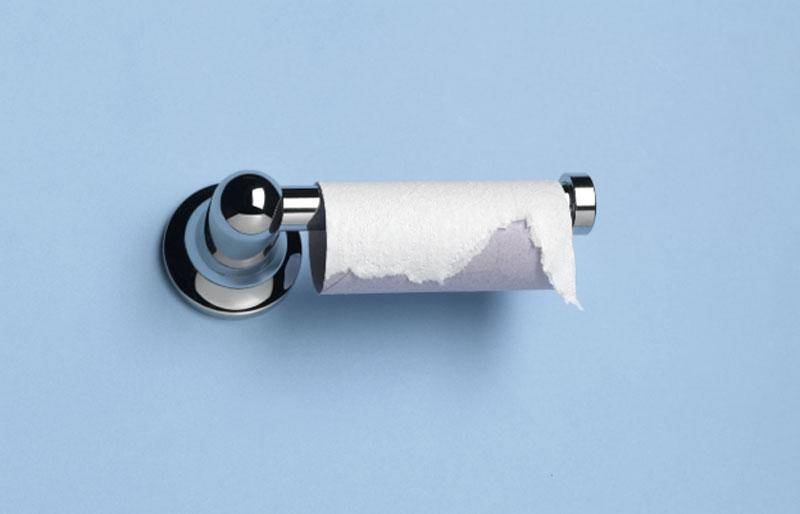
I can’t tell you how many people I’ve encountered with this issue. Having experienced it myself, I understand how frustrating it can be!
I stumbled upon this video from Dr. Eric Berg on YouTube. Having also spoken with my own practitioners, I believe he’s pointing in the right direction.
Insulin resistance is tied back to our diets, and it’s not a simple subject. However, once I started cutting out junk food, lowering my sugar intake, and stopping eating before bed, I experienced quite a few improvements in my overall health. Is it hard? Yes, initially, because it’s difficult to break habits you’ve had all of your life. But in the long run, it’s totally worth the benefits. At the least, addressing it could help your body return to sound sleep at night without interruption.
There is a lot of information out on the internet on this subject if you do some research. In the meantime, check out this video and try his advice.
Natural Substances to Enhance Sleep

Magnesium is a vital mineral that our bodies require for multiple processes, not just our muscles. Magnesium is also the gold standard for sleep. It has a natural calming effect on our bodies. Taking it before bedtime can really help.
In addition to magnesium, there are many other natural substances that can help restore balance, and subsequently aid in deeper sleep. I recommend exploring these with your doctor to see if any could work for you. (There are many sleep supplements on the market that contain these substances already.)
- L-Theanine
- Passionflower
- Ashwagandha
- Chamomile
- L-Tryptophan
- Valerian
- GABA
- 5-HTP
In Conclusion
There are many other reasons for interrupted sleep that I didn’t cover here. However, this article covered reasons that I have encountered myself. Addressing them has helped me tremendously. I encourage you to research them on your own.
Knowing the right question to ask is the first step to a solution.









 Thanks a ton – Your feedback is much appreciated and helps me improve. Have a lovely day!